


QleanUP at a glance
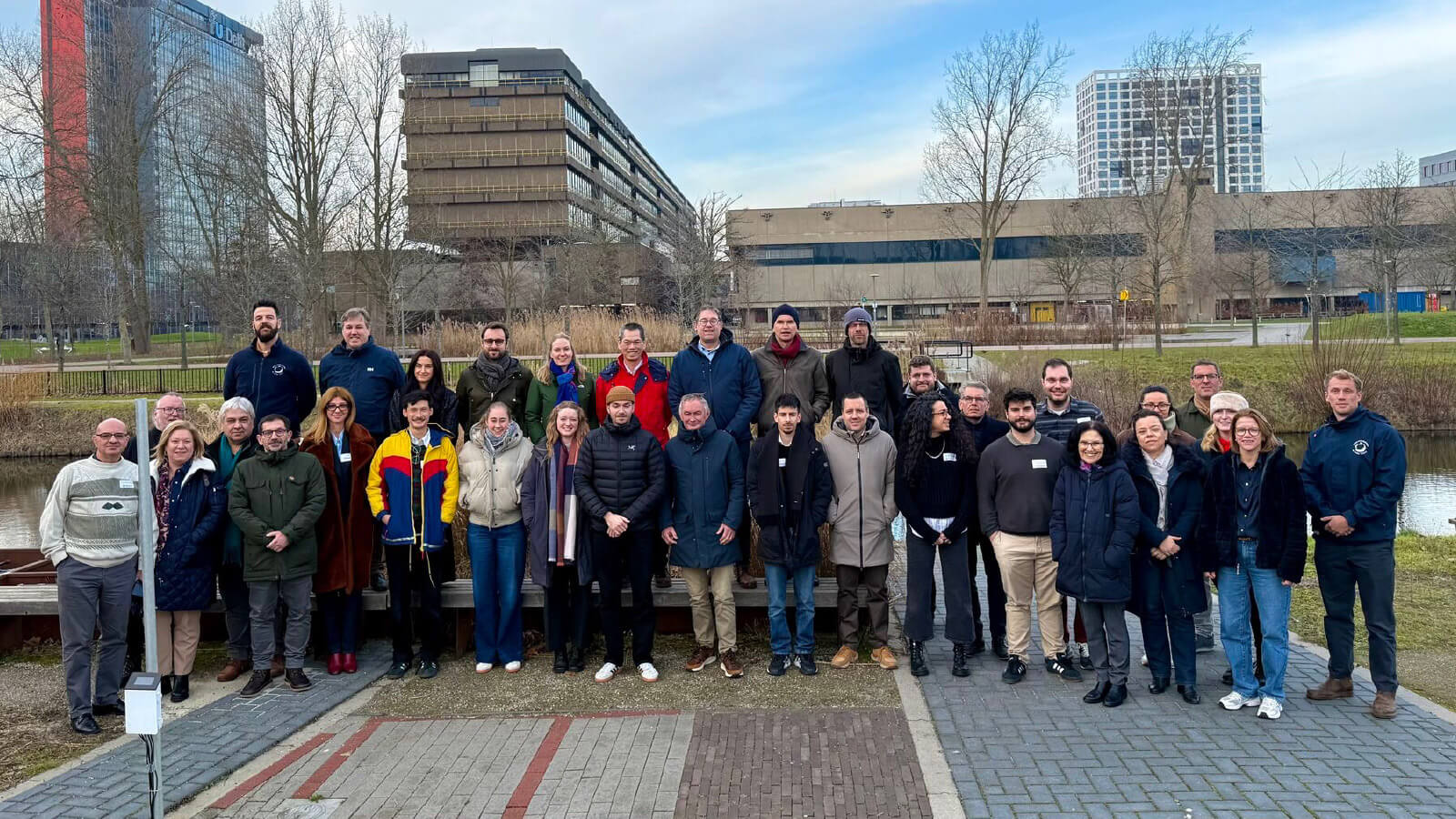
The QleanUP Project officially launched its operations on 22-23 January 2026 with a kick-off meeting hosted by TU Delft and Orvion. Bringing together a consortium of 16 partners from five EU countries, the four-year project is set to transform how Europe monitors and manages urban water quality in the face of climate change and rapid urbanisation.
Urban water systems are under increasing pressure from “invisible” threats, including organic micropollutants, microplastics, pathogens, and antimicrobial resistance (AMR). Currently, many water managers lack the real-time data necessary to respond effectively to these emerging pollutants. QleanUP aims to close this gap by developing a holistic, risk-based monitoring and management framework fully aligned with the EU Zero Pollution Action Plan and the European Water Resilience Strategy.
The kick-off week concluded at the Orvion base, where partners explored “nature-inspired” solutions for water protection. A central pillar of the project is the use of DNA-based monitoring to track water quality, specifically focusing on the removal of E. coli and antibiotics. By using DNA as a source of information, QleanUP will provide water managers with unprecedented insights into biological threats and the effectiveness of treatment processes.
Building on the foundations laid by the previous ToDrinQ EU project, QleanUP will deploy five real-world demonstration cases across Europe. These sites will test innovative solutions across the entire water cycle, including:
- Source water and Groundwater protection
- Stormwater management
- Wastewater effluent treatment
The project arrives at a critical time for European policy, directly contributing to the Digitalisation Action Plan for water and providing essential data for the upcoming revision of the Water Framework Directive. Specifically, QleanUP will pioneer new methods for the remediation and management of PFAS and other persistent organic micropollutants.
For more information, please follow the project’s on LinkedIn.

